
Earth biology Earth and Life Science. This learning area is designed to provide a general background for the understanding of Earth Science and Biology. It also deals with the basic principles and processes in the study of biology. It covers life processes and interactions at the cellular, organism, population, and ecosystem levels. Earth science affects our everyday lives. For example, meteorologists study the weather and watch for dangerous storms. Hydrologists examine water and warn of floods. Earth scientists often work in the field—perhaps climbing mountains, exploring the seabed, crawling through caves, or wading in swamps.
ME, MY GAME, MY DREAM JOB



I am Ryza A. Macaalay. My hobbies are playing mobile legends, watching a volleyball game and playing volleyball. All I like to do when my phone is charging is eating. I love watching k drama and cartoons. One of my dreams is to be a police officer one day. I love dancing in front of the mirror, singing while taking a bath and sleeping. I am a friendly person and love to joke. I don’t have that many friends but they are all real friends. I love to eat street foods and drink milk tea. In compare to studies, I am good at sports. My parents always advised me that if I commit a mistake, I should admit it. I try my best to do so. I know how to remain happy in every condition. Because I believe that: “Happiness is not out there; it’s in you.” I am a very adventurous person too and like to take the risk. I like to do a creative thing besides doing old stuff again and again. Learning new things is one thing which I always enjoy. I always update myself with the news.
My Ambitions in Life
Everybody has an ambition in life. Aim or ambition is the inner aspiration of man. No man can do anything in the world without aim. So, all of us should be very determined about our aim in life. Without good career planning, right from the start, one can’t be on the right track. One has to set the goals in accordance with his or her broad career goals. These are all the things which express me. Though nobody can be described in a few sets of sentences. One needs to have yet command of oneself before going to write something about his life. Life is meant to be lived avidly and with visualization to do good for your fellow beings. Keeping this aim in mind, I have always desired to serve my people in whatever capacity I can.
My Game
As you can see at the second picture, it is all about my favorite sport which is volleyball. I like to play volleyball. I was also on the volleyball team when I was in grade 9. Volleyball is really my favorite thing to do when I’m still in school. I also dream of becoming a volleyball player someday. Playing volleyball enhances your energy level and improves your overall performance in other sports and workouts. Improves hand-eye coordination: Volleyball is all about hand-eye coordination. Aside from the pure enjoyment of the game, volleyball has many benefits. First, it’s a fun way to burn calories. In addition, volleyball improves hand-eye coordination, reflexes, and balance. Last but not least, volleyball teaches teamwork and communication and is a great social activity.
My Dream Job
I also want to be a cop someday. My father’s dream is for me to be a police officer so I will pursue it. I believe that police are entrusted with the duty of maintaining the peace and harmony of a society. Moreover, they also have the right to arrest and control people who do not follow the law. So, it’s the duty of our police to maintain peace and stop any kind of crime in society. Police are the most trusted authorities of society. They help others without thinking about their life. They have to face different problems while helping us still, they never hesitate and this encourages me to be a police officer.
LOST IN UNIVERSE
OUR UNIVERSE
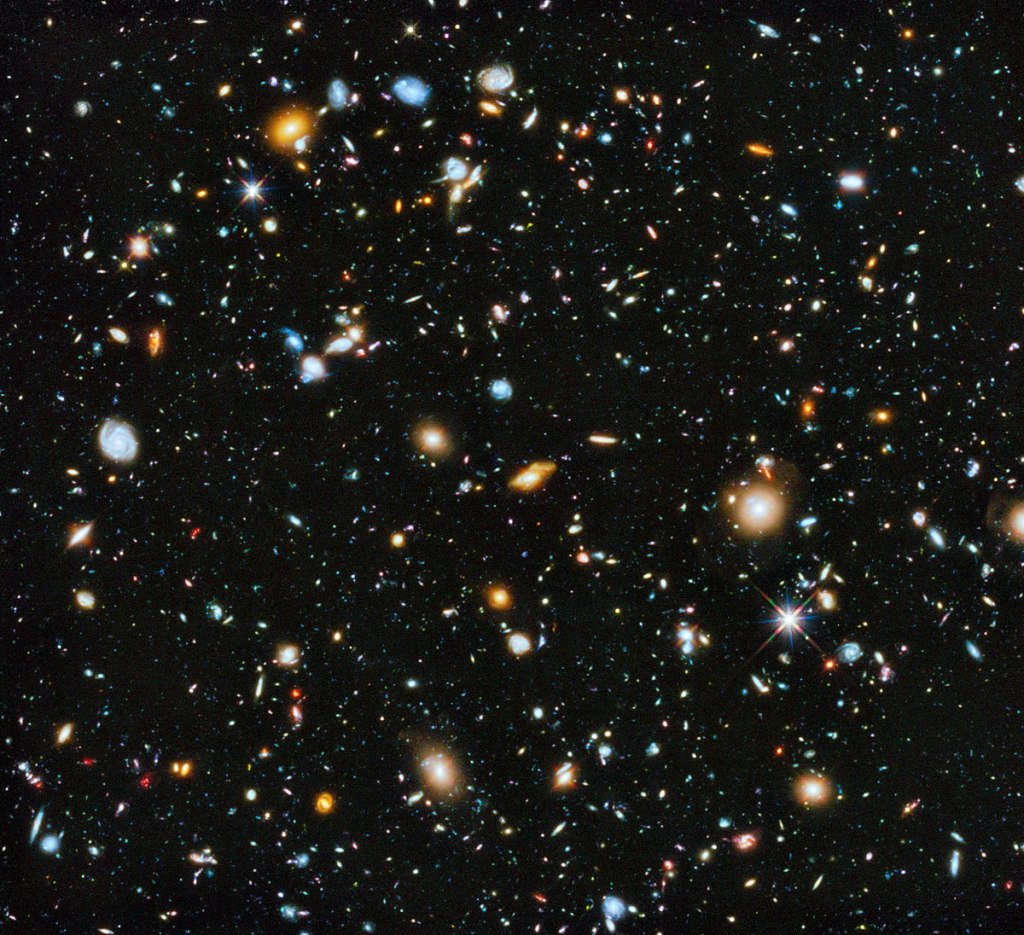
The Universe is everything we can touch, feel, sense, measure or detect. It includes living things, planets, stars, galaxies, dust clouds, light, and even time. The Universe contains billions of galaxies, each containing millions or billions of stars. The space between the stars and galaxies is largely empty. The universe is everything. It includes all of space, and all the matter and energy that space contains. It even includes time itself and, of course, it includes you.The universe, on the other hand, appears to be about 13.8 billion years old. Scientists arrived at that number by measuring the ages of the oldest stars and the rate at which the universe expands. They also measured the expansion by observing the Doppler shift in light from galaxies, almost all of which are traveling away from us and from each other. The farther the galaxies are, the faster they’re traveling away. One might expect gravity to slow the galaxies’ motion from one another, but instead they’re speeding up and scientists don’t know why. In the distant future, the galaxies will be so far away that their light will not be visible from Earth. The universe contains all the energy and matter there is. Much of the observable matter in the universe takes the form of individual atoms of hydrogen, which is the simplest atomic element, made of only a proton and an electron (if the atom also contains a neutron, it is instead called deuterium). Two or more atoms sharing electrons is a molecule. Many trillions of atoms together is a dust particle. Smoosh a few tons of carbon, silica, oxygen, ice, and some metals together, and you have an asteroid. But the universe also seems to contain a bunch of matter and energy that we can’t see or directly observe. All the stars, planets, comets, sea otters, black holes and dung beetles together represent less than 5 percent of the stuff in the universe. About 27 percent of the remainder is dark matter, and 68 percent is dark energy, neither of which are even remotely understood.

The universe as we understand it wouldn’t work if dark matter and dark energy didn’t exist, and they’re labeled “dark” because scientists can’t seem to directly observe them. At least not yet. Every step towards understanding of universe is as good as the next stage of human development and advancement. Today, we have managed to come so far mainly due to advancement in astronomy and exploring the origin of universe. Imagine if we find out that every planet, after a certain time, just dies or explodes. That is essential to understand the behavior of our planet.
The Big Bang
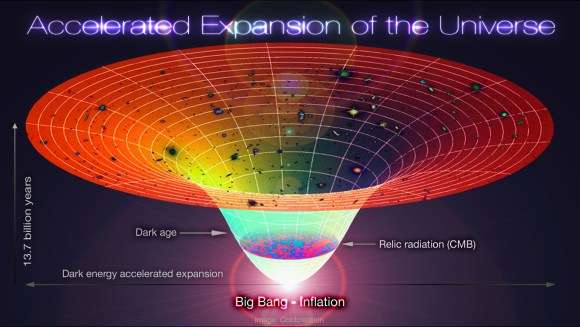
Since the early part of the 1900s, one explanation of the origin and fate of the universe, the Big Bang theory, has dominated the discussion. Proponents of the Big Bang maintain that, between 13 billion and 15 billion years ago, all the matter and energy in the known cosmos was crammed into a tiny, compact point. In fact, according to this theory, matter and energy back then were the same thing, and it was impossible to distinguish one from the other. Adherents of the Big Bang believe that this small but incredibly dense point of primitive matter/energy exploded. Within seconds the fireball ejected matter/energy at velocities approaching the speed of light. At some later time—maybe seconds later, maybe years later—energy and matter began to split apart and become separate entities. All of the different elements in the universe today developed from what spewed out of this original explosion.
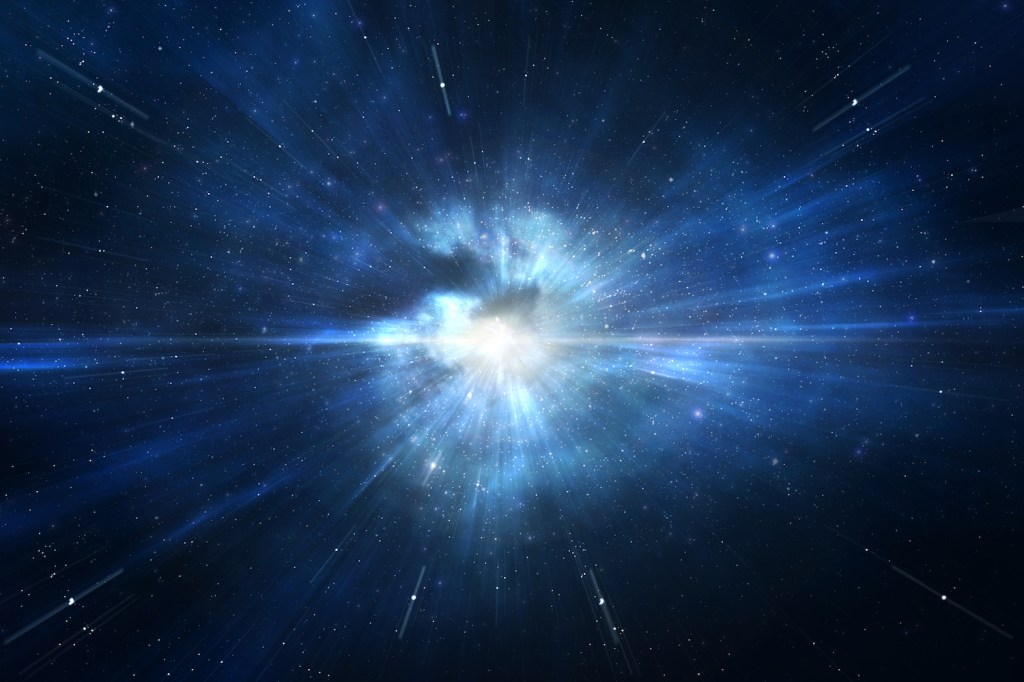
Big Bang theorists claim that all of the galaxies, stars, and planets still retain the explosive motion of the moment of creation and are moving away from each other at great speed. This supposition came from an unusual finding about our neighboring galaxies.
Since the Big Bang explosion, they reason, the universe has been expanding. Space itself is expanding, just as the cake expanded between the raisins in their analogy. No matter whether you’re looking from Earth or from an alien planet billions of miles away, all other galaxies are moving away from you as space expands. Galaxies farther from you move faster away from you, because there’s more space expanding between you and those galaxies. That’s how Big Bang theorists explain why light from the more distant galaxies is shifted farther to the red end of the spectrum.

Our thirst to find the answers has helped us grow and survive in this world. In the process of exploring the birth of the earliest galaxies in the universe, to understand the planetary systems, explore planets that are capable of supporting life, and to learn whether life began elsewhere in the solar system have helped us advance and build our civilization. We need to study and explore in order to understand and explain the origin of life and the survival of living beings. For humans, any step closer to figuring out the origin of universe means one step closer towards understanding ourselves better. Human beings possess an intrinsic need to explore the world. Through exploration, we have discovered new continents, found cures to diseases, advanced in technology, communication and much more. Studying the origins of the Universe and exploring it helps us build our civilization.
THE SOLAR SYSTEM
OUR SOLAR SYSTEM
Any natural solar system object other than the Sun, a planet, a dwarf planet, or a moon is called a small body; these include asteroids, meteoroids, and comets. Most of the several hundred thousand asteroids, or minor planets, orbit between Mars and Jupiter in a nearly flat ring called the asteroid belt.
Composition of the solar system
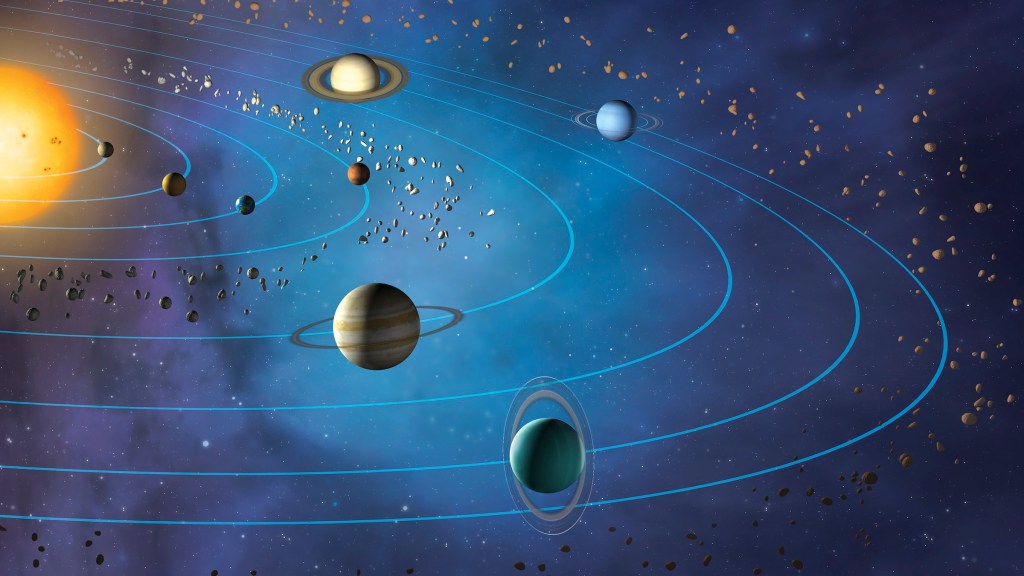
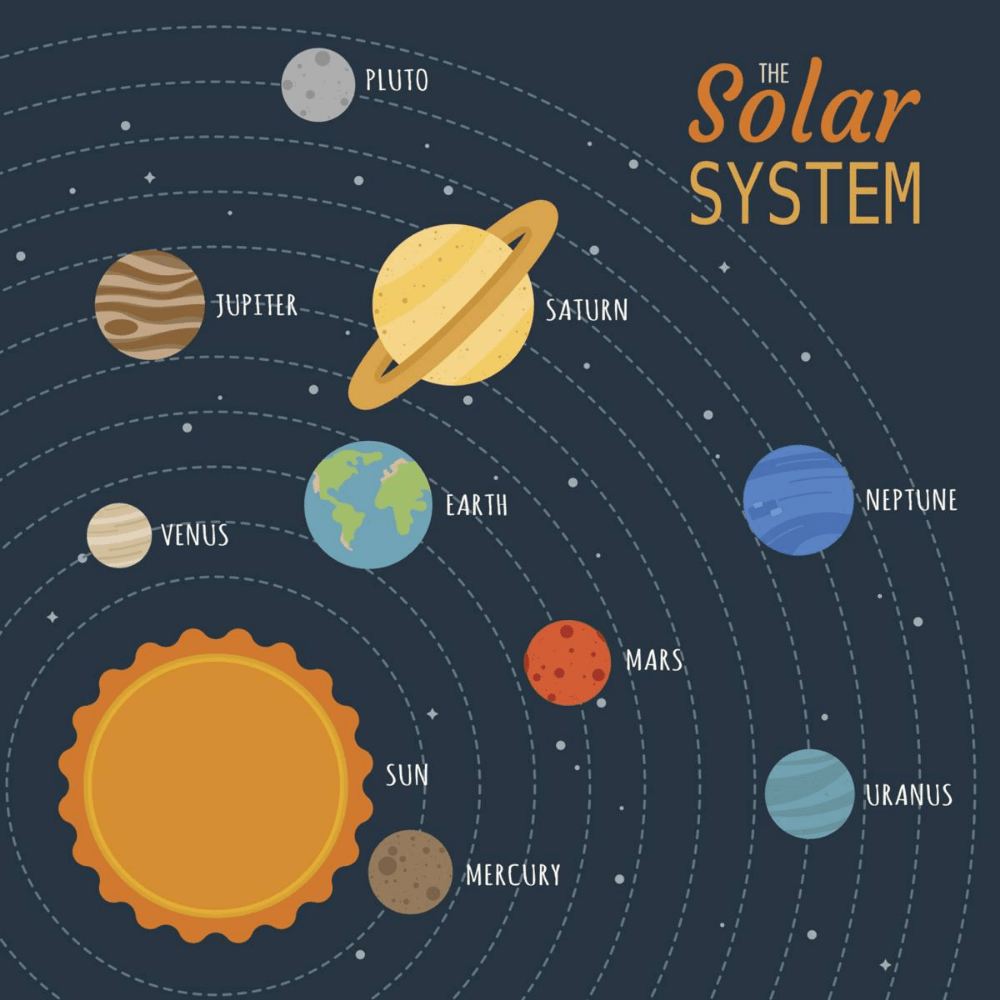
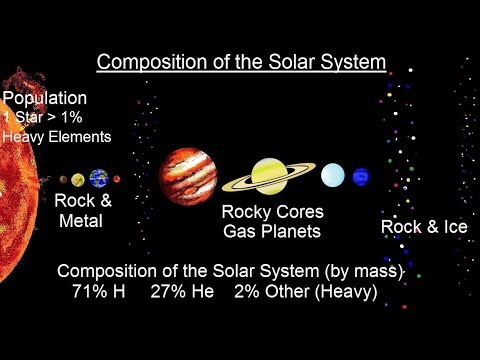
Located at the centre of the solar system and influencing the motion of all the other bodies through its gravitational force is the Sun, which in itself contains more than 99 percent of the mass of the system. The planets, in order of their distance outward from the Sun, are Mercury, Venus, Earth, Mars, Jupiter, Saturn, Uranus, and Neptune. Four planets—Jupiter through Neptune—have ring systems, and all but Mercury and Venus have one or more moons. Pluto had been officially listed among the planets since it was discovered in 1930 orbiting beyond Neptune, but in 1992 an icy object was discovered still farther from the Sun than Pluto. Many other such discoveries followed, including an object named Eris that appears to be at least as large as Pluto. It became apparent that Pluto was simply one of the larger members of this new group of objects, collectively known as the Kuiper belt. Accordingly, in August 2006 the International Astronomical Union (IAU), the organization charged by the scientific community with classifying astronomical objects, voted to revoke Pluto’s planetary status and place it under a new classification called dwarf planet. For a discussion of that action and of the definition of planet approved by the IAU, see planet.
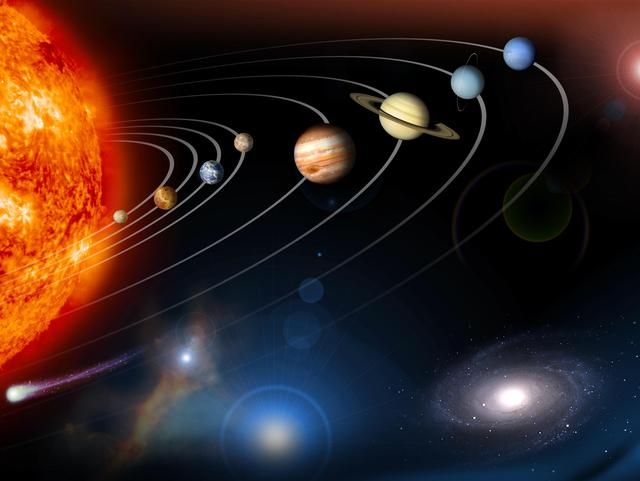
The solar system’s several billion comets are found mainly in two distinct reservoirs. The more-distant one, called the Oort cloud, is a spherical shell surrounding the solar system at a distance of approximately 50,000 astronomical units (AU)—more than 1,000 times the distance of Pluto’s orbit. The other reservoir, the Kuiper belt, is a thick disk-shaped zone whose main concentration extends 30–50 AU from the Sun, beyond the orbit of Neptune but including a portion of the orbit of Pluto. (One astronomical unit is the average distance from Earth to the Sun—about 150 million km [93 million miles].) Just as asteroids can be regarded as rocky debris left over from the formation of the inner planets, Pluto, its moon Charon, Eris, and the myriad other Kuiper belt objects can be seen as surviving representatives of the icy bodies that accreted to form the cores of Neptune and Uranus. As such, Pluto and Charon may also be considered to be very large comet nuclei. The Centaur objects, a population of comet nuclei having diameters as large as 200 km (125 miles), orbit the Sun between Jupiter and Neptune, probably having been gravitationally perturbed inward from the Kuiper belt. The interplanetary medium—an exceedingly tenuous plasma (ionized gas) laced with concentrations of dust particles—extends outward from the Sun to about 123 AU.
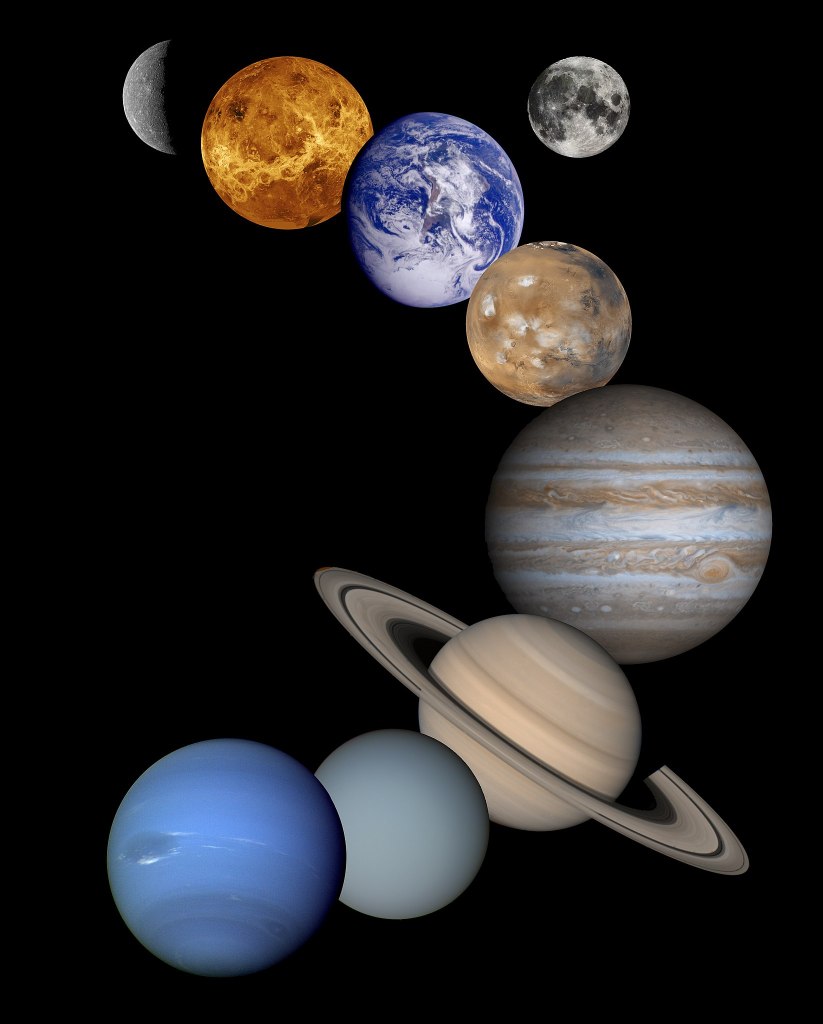
Our solar system is made up of a star, eight planets, and countless smaller bodies such as dwarf planets, asteroids, and comets. The solar system is like a family made up of objects in the sky. The Sun forms the center of the solar system, and surrounding it are all the other family members: planets, their moons, asteroids and comets. Without this light and heat, there would be no life on Earth — so the Sun is very important to us. This class has taught me to never doubt human innovation. Man has been looking to the stars since the beginning and the milestones we have made over the centuries are astounding. Ancient peoples figured out orbital speeds and distances of the planets by just observing the night sky, and nowadays, we have traversed open space and humans have stepped foot on the moon. I hope to one day hear about efforts of terraforming Mars like is pictured above and colonization of other worlds in our universe. This class has also made me believe that there IS life out there beyond our home on Earth. Just the fact that we can find exoplanets light-years away and figure out their compositions from just light waves is amazing. I can’t wait until I am reading about private space agencies taking over the space industry and making astronomical dreams become a reality.
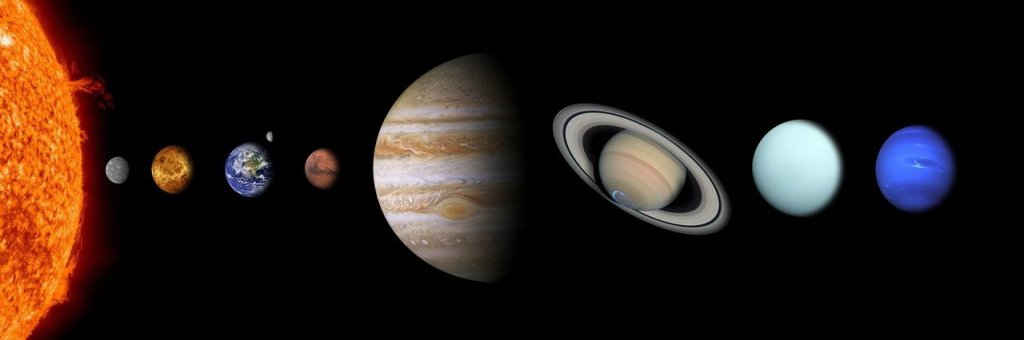
The subsurface oceans of gas giant moons radically change our perceptions of a habitability zone, which astronomically improves the chance of life in the universe. I’m also hoping that there is some sort of galactic community out there that is waiting for us to figure out interstellar travel to reveal themselves. That sounds like something out of a science-fiction book, but hey, we’ll never know until we put in the effort to do it, so lets start figuring these things out! Humans have always had an interest in the night sky and now we have the capability to go out and explore it. That, to me, is awesome.
LIFE ON EARTH
OUR EARTH
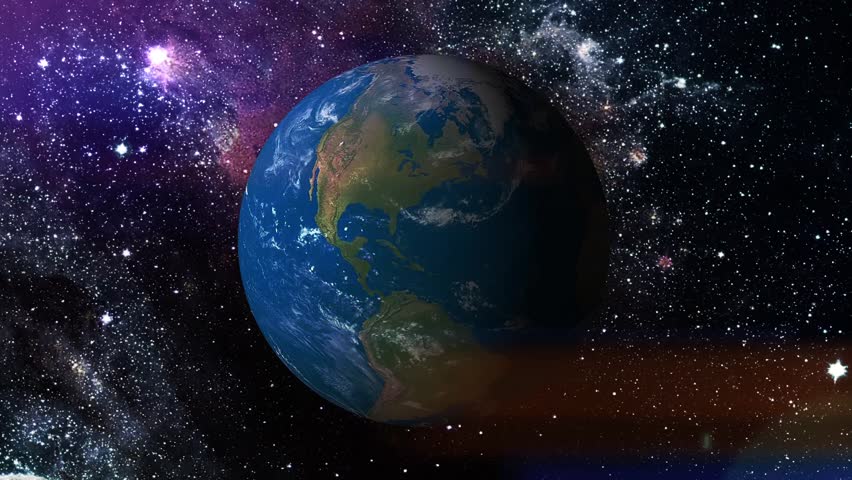
Earth is the fifth largest planet in our solar system, and it’s the only one known for sure to have liquid water on its surface. Earth is also unique in terms of monikers. Every other solar system planet was named for a Greek or Roman deity, but for at least a thousand years, some cultures have described our world using the Germanic word “earth,” which means simply “the ground.” About 4.5 billion years ago, gravity coaxed Earth to form from the gaseous, dusty disk that surrounded our young sun. Over time, Earth’s interior—which is made mostly of silicate rocks and metals—differentiated into four layers.
Earth’s atmosphere is 78 percent nitrogen, 21 percent oxygen, and one percent other gases such as carbon dioxide, water vapor, and argon. Much like a greenhouse, this blanket of gases absorbs and retains heat. On average, Earth’s surface temperature is about 57 degrees Fahrenheit; without our atmosphere, it’d be zero degrees. In the last two centuries, humans have added enough greenhouse gases to the atmosphere to raise Earth’s average temperature by 1.8 degrees Fahrenheit. This extra heat has altered Earth’s weather patterns in many ways.
The atmosphere not only nourishes life on Earth, but it also protects it: It’s thick enough that many meteorites burn up before impact from friction, and its gases—such as ozone—block DNA-damaging ultraviolet light from reaching the surface. But for all that our atmosphere does, it’s surprisingly thin.

Our approach to nature is schizophrenic at best. We destroy it for profit, idealize its beauty, and want to preserve it as pristine. As more humans begin to skirt the periphery of a true existence with Mother Earth, we are beginning to realize that we are connected on a deep level to this planet as part of the ecosystem. We are not separate from Mother Gaia. Each of us is like a leaf on a tree, an individual with free choice, but who plays an integral part of a thriving existence for the collective. We are beautiful in our individual sovereignty. We have purpose whether we consciously know it or not. We are connected with each other, the animals, plants, and stones of the planet. Mother Earth has HER purpose, sovereignty, and is not only connected to us, but to the Universe as well. We take our home for granted most of the time. We complain about the weather, ignore the splendor of our sunsets, the scenery, and the natural beauties of the lands and seas around us, and cease to be impressed by the diversity of living species that the Earth supports. This is natural, of course, since we are all products of the Earth and have evolved in conformity with the existing environment. It is our natural habitat, and all of it seems very commonplace and normal. The earth is the most beautiful thing of creation, it is life. We feel it when we breathe, when we feel that the temperature changes, the environment, the beautiful landscapes, the mountains and the seas. She is perfect.
AN APPRECIATION FOR EARTH
It gives us peace of mind
Spending time in nature, connecting with the earth, is one of the most rejuvenating and peaceful experiences we can have. If you listen hard enough, the earth has a lot of secrets about life, health, and happiness that it can bestow upon you.
It’s filled with life and incredible diversity
Being on this earth gives us the opportunity to meet and interact with a wide range of living things, from rainbow trees, to tropical fish, to lemurs, to elephants. This earth is filled with millions of species that have their own little worlds, which makes it pretty impossible to get bored here. It’s all about taking charge and experiencing as much of it as you can!
Most importantly, there’s no other place for us to live!
The earth helps us be grateful for the things we have. At the end of the day, the only things you’ll reflect on with happiness will be the relationships you’ve nourished as well as the experiences you’ve had exploring the globe and bridging differences among people. While in some distant galaxy there may be a planet similar to our earth, there likely isn’t any just exactly like ours. That’s reason enough to celebrate it, and to protect its purity and beauty.
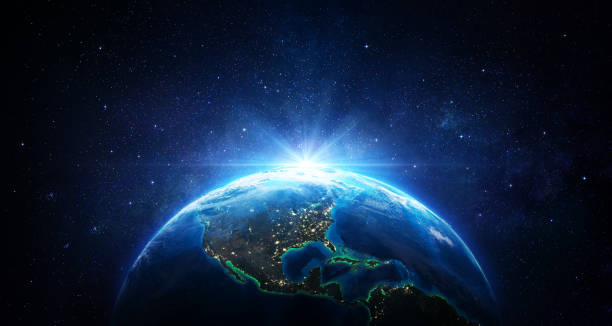
First and foremost, the planet we live on is incredibly beautiful — and we should consider ourselves quite lucky to have the chance to experience it with all of our five senses. Earth, our home planet, is a world unlike any other. The third planet from the sun, Earth is the only place in the known universe confirmed to host life.We are one body living within a physical realm that in the next twenty years is going to see mass extinction, deforestation, and rising sea levels. The pains of Earth exist because our modern society exploits her resources without giving back. However, I believe that we can transform our relationship with Mother Earth by envisioning our bodies as extensions of this world. Perhaps then, we will take care of HER the way we take care of our own bodies, or maybe it will benefit both of us.
LAYERS OF THE EARTH
EARTH’S LAYER
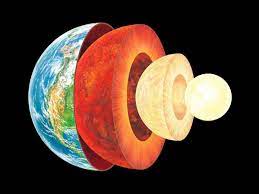
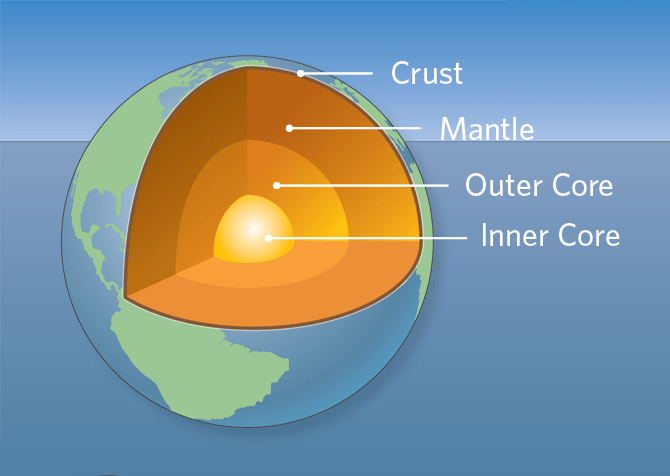
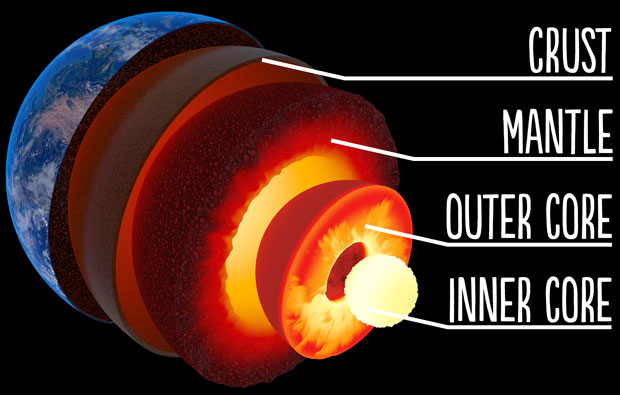
The Four Layers The Earth is composed of four different layers. Many geologists believe that as the Earth cooled the heavier, denser materials sank to the center and the lighter materials rose to the top. Because of this, the crust is made of the lightest materials (rock- basalts and granites) and the core consists of heavy metals (nickel and iron).Earth’s interior is broadly grouped into three main layers on the basis of chemical composition: crust, mantle, and core. An egg analogy is used to show relative thicknesses, and a Big Hunk analogy illustrates how a material of a single composition can be either brittle or ductile depending on temperature. This animation shows briefly how scientists figured out where these layers were, what the layers are, and how the crust is often mistaken for the tectonic plates.
CRUST
The Crust The Earth’s Crust is like the skin of an apple. It is very thin in comparison to the other three layers. The crust is only about 3-5 miles (8 kilometers) thick under the oceans(oceanic crust) and about 25 miles (32 kilometers) thick under the continents (continental crust). The temperatures of the crust vary from air temperature on top to about 1600 degrees Fahrenheit (870 degrees Celcius) in the deepest parts of the crust. You can bake a loaf of bread in your oven at 350 degrees Fahrenheit , at 1600 degrees F. rocks begin to melt. The crust of the Earth is broken into many pieces called plates. The plates “float” on the soft, plastic mantle which is located below the crust. These plates usually move along smoothly but sometimes they stick and build up pressure. The pressure builds and the rock bends until it snaps. When this occurs an Earthquake is the result.

The crust is composed of two basic rock types granite and basalt. The continental crust is composed mostly of granite. The oceanic crust consists of a volcanic lava rock called basalt.
Basaltic rocks of the ocean plates are much denser and heavier than the granitic rock of the continental plates. Because of this the continents ride on the denser oceanic plates. The crust and the upper layer of the mantle together make up a zone of rigid, brittle rock called the Lithosphere. The layer below the rigid lithosphere is a zone of asphalt-like consistancy called the Asthenosphere. The asthenosphere is the part of the mantle that flows and moves the plates of the Earth.

MANTLE
Mantle material is hot (932 to 1,652 degrees Fahrenheit, 500 to 900 degrees Celsius) and dense and moves as semi-solid rock. The mantle is 1,802 miles (2,900 km) thick and is composed of silicate minerals that are similar to ones found in the crust, except with more magnesium and iron and less silicon and aluminum.
The base of the mantle, at the boundary with the outer core, is termed the Gutenberg discontinuity. It is at this depth (1,802 miles, 2,900 km) where secondary earthquake waves, or S waves, disappear, as S waves cannot travel through liquid.

CONVECTION CURRENTS
The mantle is the mostly-solid bulk of Earth’s interior. The mantle lies between Earth’s dense, super-heated core and its thin outer layer, the crust. The mantle is about 2,900. The mantle is made of much denser, thicker material, because of this the plates “float” on it like oil floats on water. Many geologists believe that the mantle “flows” because of convection currents. Convection currents are caused by the very hot material at the deepest part of the mantle rising, then cooling, sinking again and then heating, rising and repeating the cycle over and over. The next time you heat anything like soup or pudding in a pan you can watch the convection currents move in the liquid. When the convection currents flow in the mantle they also move the crust. The crust gets a free ride with these currents. A conveyor belt in a factory moves boxes like the convection currents in the mantle moves the plates of the Earth.
OUTER CORE
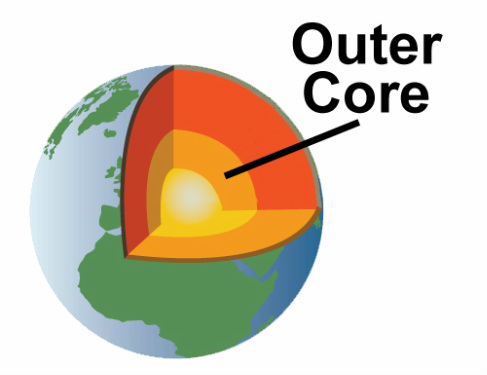
The core of the Earth is like a ball of very hot metals. (4000 degrees F. to 9000 degrees F.) The outer core is so hot that the metals in it are all in the liquid state. The outer core is located about 1800 milesbeneath the crust and is about 1400 miles thick. The outer core is composed of the melted metals nickel and iron. The outer core of the earth is a liquid mix of elements, mostly iron and nickel, with smaller amounts of silicon and oxygen. As heat is transferred outward toward the mantle, the net trend is for the inner boundary of the liquid region to freeze, causing the solid inner core to grow at expense of the outer core, at an estimated rate of 1 mm per year.
INNER CORE
Inner Core The inner core is the hottest part of our planet, at temperatures between 9,000 and 13,000 degrees Fahrenheit (5,000 and 7,000 degrees Celsius). This solid layer is smaller than our Moon at 750 miles (1,200 km) thick and is composed mostly of iron. The iron is under so much pressure from the overlying planet that it cannot melt and stays in a solid state. The solid inner core is believed to have formed relatively recently, around half a billion years ago. In February 2015, scientists reported in the journal Nature Geoscience their discovery that the inner core may in fact be two distinct cores with complex structural properties, where iron crystals in the outer layer of the inner core are oriented north-south, and iron crystals in the inner-inner core are aligned east-west. This new discovery may help scientists learn more about the history and formation of planet Earth.
MINERALS
MINERALS
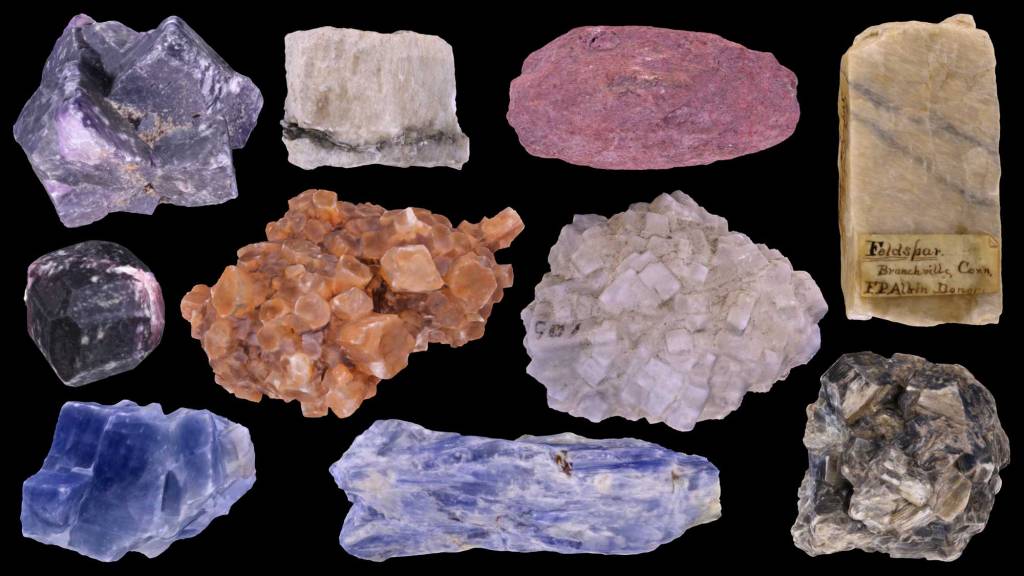
A mineral is a naturally occurring inorganic element or compound having an orderly internal structure and characteristic chemical composition, crystal form, and physical properties. A mineral, which by definition must be formed through natural processes, is distinct from the synthetic equivalents produced in the laboratory. Artificial versions of minerals, including emeralds, sapphires, diamonds, and other valuable gemstones, are regularly produced in industrial and research facilities and are often nearly identical to their natural counterparts. Minerals display a highly ordered internal atomic structure that has a regular geometric form. Because of this feature, minerals are classified as crystalline solids. Under favorable conditions, crystalline materials may express their ordered internal framework by a well-developed external form, often referred to as crystal form. Traditionally, minerals have been described as resulting exclusively from inorganic processes; however, current mineralogic practice often includes as minerals those compounds that are organically produced but satisfy all other mineral requirements.

PHYSICAL PROPERTIES OF MINERALS
Color
-The visible color that a mineral sample appears to the naked eye.
-Color is not a reliable characteristic to use for mineral identification.
-Color is not a reliable characteristic to use for identification.
Streak
-The color of the minerals in its powdered form.
-Streak is tested by rubbing a sample against an unglazed ceramic streak plate.
Luster
-The way in which light reflects off a mineral’s surface
-The two main types are metallic and nonmetallic.
-Additional luster includes vitreous, resinous, pearly, greasy, silky, adamantine, dull, and waxy.
Breakage
-The way in which a mineral sample will tend to break.
-Minerals that display cleavage break along smooth planes parallel to zones of weak bonding.
-Minerals that display fracture tend to break along curved surfaces without a definite shape.

Hardness
-Hardness is a mineral’s resistance to being scratched.
Other
-Calcite bubbles when exposed to acids.
-Fluorite glow under ultraviolet light.
-Calcite displays double refraction.
-Magnetite is magnetic.
-Halite tastes salty
–Important: All of a mineral’s physical characteristics are the result of its internal arrangement of atoms.

MINERALOID
Mineraloid is a naturally occurring mineral-like substance that does not demonstrate crystallinity. A mineral-like naturally-occurring geological material which is non-crystalline and not definite enough in chemical composition or in physical properties to be considered a mineral. Hydrocarbons, volcanic glass, and palagonite are classed as mineraloids.
A mineral-like substance that does not meet all the criteria as a true mineral. Examples include glass, coal, opal, and obsidian.
Undoubtedly we have no questions to ask which are unanswerable. We must trust the perfection of the creation so far, as to believe that whatever curiosity the order of things has awakened in our minds, the order of things can satisfy. Every man’s condition is a solution in hieroglyphic to those inquiries he would put.
LET’S ROCK
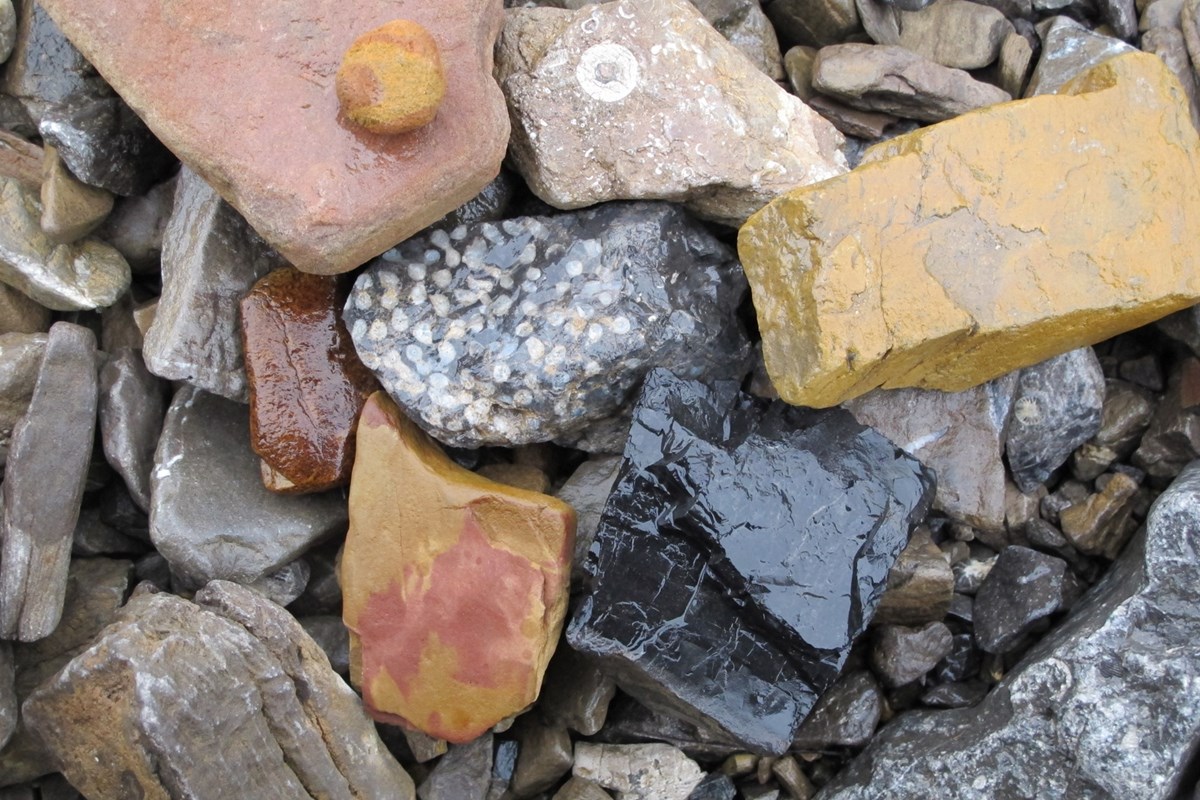
Rocks are made up of two or more minerals. Rocks containing valuable minerals are called ore. Minerals from ore are used to manufacture products that we use every day. This includes things like houses, stainless steel pots and pans, electronics, batteries, automobiles and fertilizer. Valuable minerals include base metals, industrial minerals and precious metals. Base metals are metals that do not contain iron, such as copper and nickel. Industrial minerals are minerals that do not contain any metals. Precious metals are metals of high value, such as gold, iron and platinum. Rocks are classified as igneous, sedimentary, or metamorphic. A rock is a solid mass of geological materials. Geological materials include individual mineral crystals, inorganic non-mineral solids like glass, pieces broken from other rocks, and even fossils.
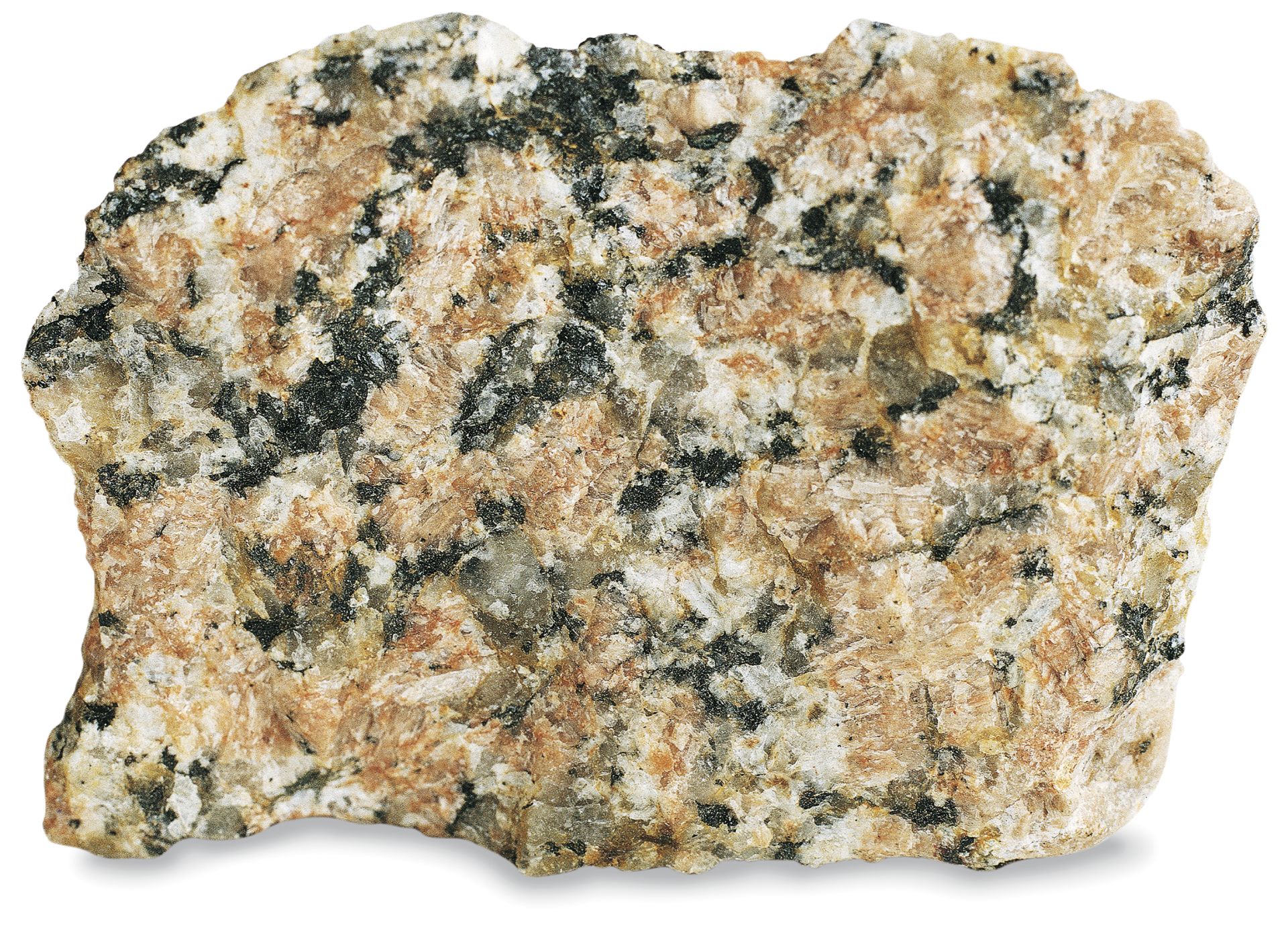
Igneous rocks are rocks formed by the cooling and solidification of magma or lava. The word igneous comes from the Latin word “ignis” meaning fire. Igneous rock may form above or below the surface of the Earth. Igneous rock that forms below the surface is known as intrusive igneous rock. This type of rock cools slowly and has large crystals of different types of minerals which can be seen with the naked eye. Extremely common in the Earth’s crust, igneous rocks are volcanic and form from molten material. They include not only lava spewed from volcanoes, but also rocks like granite, which are formed by magma that solidifies far underground.

Granite makes up large parts of all the continents. The seafloor is formed of a dark lava called basalt, the most common volcanic rock. Basalt is also found in volcanic lava flows, such as those in Hawaii, Iceland, and large parts of the U.S. Northwest. Granite rocks can be very old. Some granite, in Australia, is believed to be more than four billion years old, although when rocks get that old, they’ve been altered enough by geological forces that it’s hard to classify them.

Sedimentary rocks are formed from eroded fragments of other rocks or even from the remains of plants or animals. The fragments accumulate in low-lying areas—lakes, oceans, and deserts—and then are compressed back into rock by the weight of overlying materials. Sandstone is formed from sand, mudstone from mud, and limestone from seashells, diatoms, or bonelike minerals precipitating out of calcium-rich water. Sedimentary rocks are formed by the accumulation of sediments. They are made up of layers of minerals, rock particles or organic materials. The layers are formed over time as materials carried by water are deposited at the bottom of lakes, rivers and oceans or are transported by wind or ice along the Earth’s surface. Examples of sedimentary rocks include conglomerate, shale, limestone and sandstone. The shore of the Bay of Fundy (between Nova Scotia and New Brunswick) is a great place to see exposed sedimentary rock.

Fossils are most frequently found in sedimentary rock, which comes in layers, called strata.
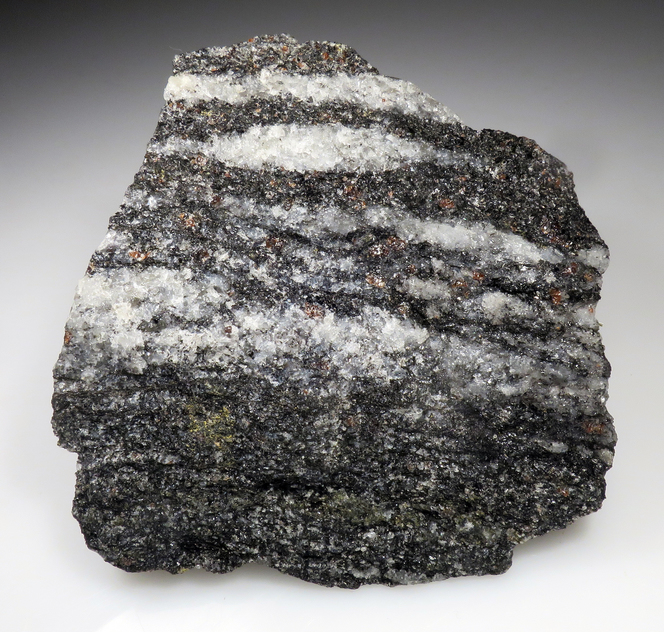
Metamorphic rocks are sedimentary or igneous rocks that have been transformed by pressure, heat, or the intrusion of fluids. The heat may come from nearby magma or hot water intruding via hot springs. It can also come from subduction, when tectonic forces draw rocks deep beneath the Earth’s surface. Metamorphic rocks are rocks, which are formed because of a physical or chemical change to an existing rock through a process called metamorphosis. Metamorphosis means a change in form. You may have heard this word used for the life cycle process that butterflies undergo when they change from larvae to adults.
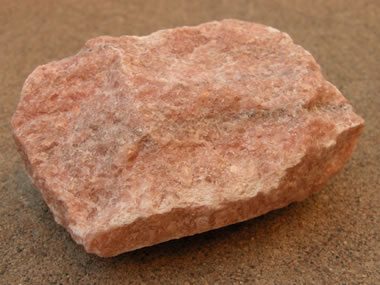
Marble is metamorphosed limestone, quartzite is metamorphosed sandstone, and gneiss, another common metamorphic rock, sometimes begins as granite.

Rocks and minerals are all around us! They help us to develop new technologies and are used in our everyday lives. Our use of rocks and minerals includes as building material, cosmetics, cars, roads, and appliances. In order maintain a healthy lifestyle and strengthen the body, humans need to consume minerals daily. Rocks and minerals play a valuable role in natural systems such as providing habitat like the cliffs at Grand Canyon National Park where endangered condors nest, or provide soil nutrients in Redwood where the tallest trees in the world grow.
Rocks and minerals are important for learning about earth materials, structure, and systems. Studying these natural objects incorporates an understanding of earth science, chemistry, physics, and math.
ENERGY RESOURCES: RENEWABLE AND NONRENEWABLE ENERGY; FOSSIL FUELS
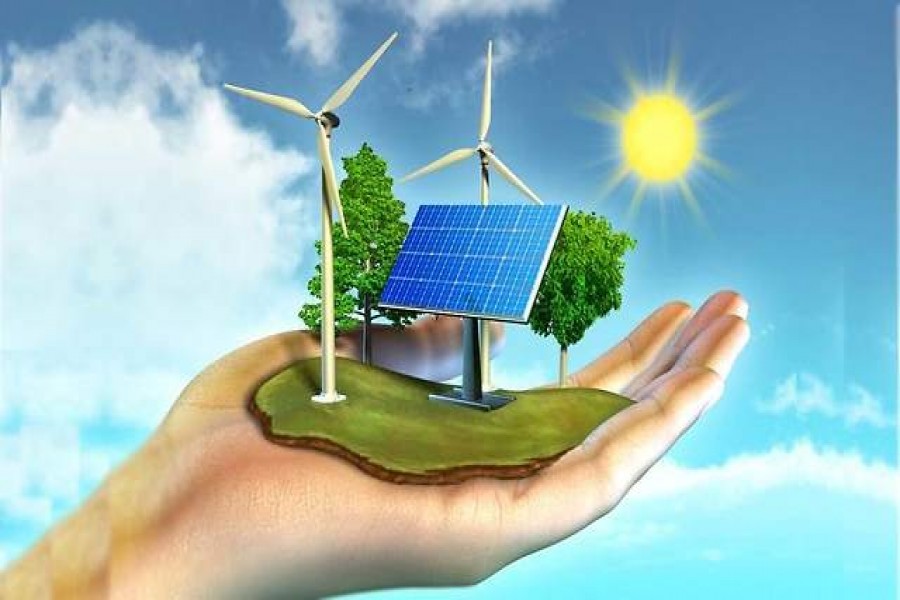
Anything that can generate heat, power life, move objects, or generate electricity is a source of energy. A fuel is a material that helps to keep energy alive. Humans have been consuming more and more energy in recent years. The majority of the energy we consume today comes from fossil fuels.
Energy resources include all types of fuels utilized in the modern world for heating, electrical energy generation, and other energy conversion operations. Renewable, fossil, and nuclear energy resources can be loosely divided into three categories.
Fossil energy is derived from dead plant and animal deposits that have accumulated over the planet’s lengthy history. These resources are plentiful, yet they are finite and nonrenewable. Fossil fuels have met the majority of humanity’s energy needs until recently. Coal, oil, and natural gas are the most common of these resources.

RENEWABLE ENERGY
– Natural resources are chemicals or minerals that originate on the surface of the planet. There are two categories of natural resources. Natural resources that are renewable are the first. Renewable resources are ones that can be grown over and over again and will never be depleted. The second type is nonrenewable natural resources. These are consumable items that will run out or be used up eventually. They can be found in abundance on the surface of the earth.

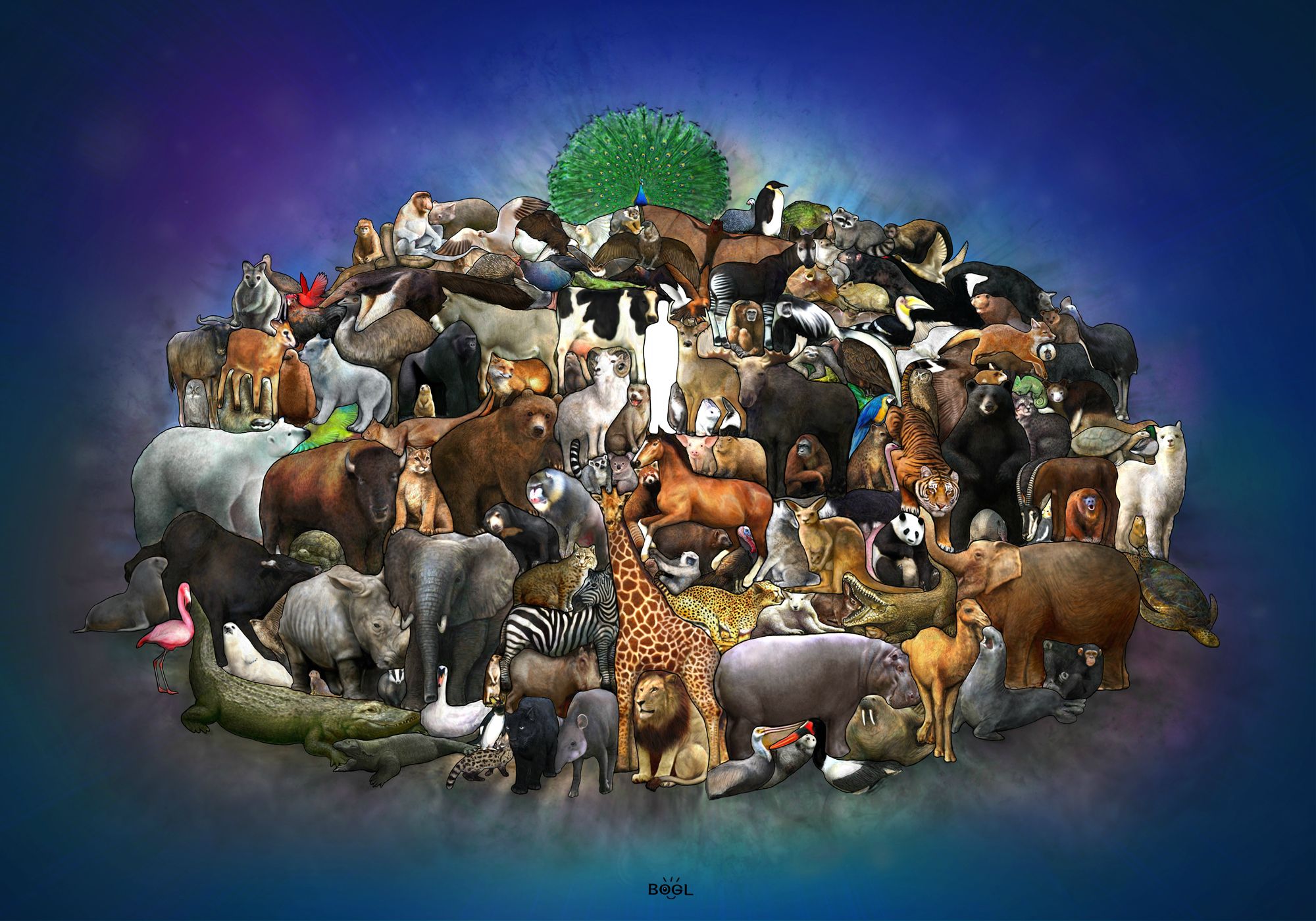
Let’s take a closer look at renewable natural resources. They are the only ones capable of regeneration. Trees are a good illustration. If they are cut down, they can regrow from seeds and sprouts. Animals are another example. Animals are born and eventually mature into adults. They take the place of older, deceased animals.

Trees are one of the most useful renewable natural resources. Approximately 8,000 different goods, including this cardboard box, are made from trees. Wood makes up the majority of these products. Tree wood can be found in our homes, furniture, paper, and other products. Among other things, tree compounds are used to manufacture rayon cloth, food, medicine, and rubber.
Natural resources such as air and water can be renewed. They don’t re-grow or reproduce like plants or animals. They are, however, replenished on a regular basis. They go through several stages. They move from place to place, frequently returning to where they started. Because all living things require oxygen and water to survive, this is advantageous. There is another type of renewable natural resource. Renewable energy sources such as the sun and wind are included. These never seem to come to an end. Finally, remember that renewable resources can regenerate or replenish themselves over time.

Nutrients are chemicals that all living things require. Natural resources that can be replenished are available. They cycle through life and never run out of energy. When a cow, for example, eats a plant, it absorbs nourishment. The nutrients are consumed by the animal’s body, and many of them are then expelled as waste, restoring nutrients to the land. The nutrients in the soil will return after the animal dies. Plants help to keep the cycle continuing by absorbing nutrients from the soil.
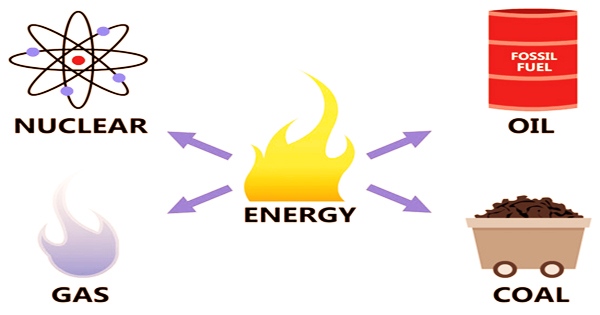
Oil, coal, and natural gas are all fossil fuels that will run out eventually. They are finite resources that cannot be replenished. Alternative fuels that are both clean and capable of producing the power we want are being developed. Wind, solar, and hydrogen are examples of renewable energy sources that hold promise for the future. People employ both types of natural resources to create the goods and services they require. Natural resources are used to make our homes, clothing, plastics, and foods.
Natural resources should always be exploited with caution. Natural resources need to be protected. To conserve something means to avoid using it up, spoiling it, or discarding it. When it comes to nonrenewable resources, this is especially true. Renewable natural resources, on the other hand, can be drained or exploited to the point of exhaustion. We must also protect our natural resources from contamination. When humans discharge hazardous chemicals and other elements into the environment, pollution occurs. Oil spilled in water, dangerous chemicals in the air, or rubbish strewn down the side of the road are all examples of this concern.
NONRENEWABLE ENERGY
Let us now turn our attention to nonrenewable natural resources. They’re discovered in the ground. These supplies are limited in quantity. They aren’t living things, and finding them can be difficult. They are not replaced or refreshed, and they do not regrow. They include the fossil fuels we use to generate electricity. Minerals, which are used to make metals, are nonrenewable natural resources as well. Natural resources that are nonrenewable take longer to replace than a person’s lifetime. It can take millions of years for them to form.
What can you do to help protect the environment?
You can save money by reducing, reusing, and recycling! When you are not in a room, for example, switch off the lights. This will cut down on the use of fossil fuels in the production of electricity. Reduce the amount of petroleum you consume by riding your bike and walking more. Things can be repurposed. Reusable items include plastic bottles, jars, paper, and bags. When you reuse something, you save natural resources that would otherwise be needed to create a new one. Finally, you’ll be able to recycle. The term “recycle” refers to the process of repurposing a natural resource or commodity to create something new. It also refers to gathering and sending these items for reuse. Glass, some plastics, paper, cardboard, aluminum, and steel are examples of easily recyclable materials. Some polymers and metals are particularly difficult to recycle. They are frequently constructed out of a variety of materials. Separating mixtures can be difficult.
NUCLEAR ENERGY

Nuclear energy, also known as atomic energy, is the energy released in large quantities by operations that influence atomic nuclei, the dense centers of atoms. It differs from the energy of other atomic phenomena like typical chemical reactions, which solely involve atoms’ orbital electrons. Controlled nuclear fission in reactors, which are now used to generate electricity in many parts of the world, is one means of releasing nuclear energy.

How nuclear energy work?
The process of splitting atoms—specifically, uranium atoms—creates nuclear energy. When an atom is divided in half, it splits into two smaller, lighter atoms. Because energy does not simply vanish, it is transformed into heat, which is then used to generate electricity. Nuclear reactors simply provide a controlled environment in which these reactions can take place. Fission is the process of breaking uranium atoms, which produces nuclear energy. This generates heat, which is used to create steam, which is then used to generate electricity via a turbine generator. Nuclear power stations do not emit greenhouse gases because they do not burn fuel.

A neutron collides with a uranium atom and splits it during nuclear fission, releasing a tremendous quantity of energy in the form of heat and radiation. When a uranium atom divides, more neutrons are emitted. These neutrons continue to smash with more uranium atoms, and the cycle continues indefinitely. Nuclear fission produces heat, which warms the cooling agent in the reactor. Although water is the most frequent cooling fluid, other nuclear reactors use liquid metal or molten salt instead. The cooling agent, which is heated by nuclear fission, produces steam. Steam is used to power turbines, which are wheels that rotate due to a flowing stream. Turbines power generators, or engines that generate electricity.

ADVANTAGES OF NUCLEAR ENERGY:
While some energy sources are dependent upon weather conditions, like solar and wind power, nuclear energy has no such constraints. It doesn’t matter if the wind isn’t blowing or if the day is cloudy. Nuclear power plants are essentially unaffected by external climatic factors and create predictable and steady energy output. A nuclear power plant in full-swing operation can produce energy non-stop for an entire year, which allows for a good return on investment because there is no delay in energy production.
Nuclear power plants are also reliable because we have enough uranium on the planet to generate energy for the next 70-80 years. While that may not sound like a long time, it is longer than many fossil fuels are estimated to last, and other nuclear energy sources are being explored to power nuclear power plants.
DISADVANTAGES OF NUCLEAR ENERGY:
Nuclear energy has a number of drawbacks, one of which is that it is inherently dangerous.
Radiation is produced during explosions, and this radiation is harmful to the body’s cells.
It can make people sick or possibly kill them. Illness can be debilitating.
people appear or strike years after they have been exposed to nuclear power
radiation.
A meltdown is a probable form of reactor disaster. In the case of a
When an atom’s fission reaction becomes uncontrollable, a meltdown occurs resulting in a nuclear explosion with large amounts of radiation released.

 smallcryptouniverse.code.blog